The Role of Crew Management in Supporting Ship Operations
The shipping industry is one of the key sectors supporting trade, the distribution of goods, and global economic activity. In operating ships, the availability of a competent, experienced, and professional workforce is a critical factor. Therefore, Crew Management plays a strategic role in ensuring that all crew needs are adequately met.
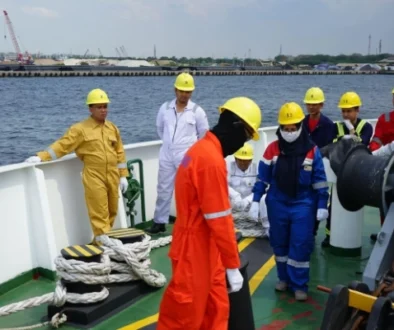
Crew Management is not limited to the recruitment process but also encompasses the management, selection, document verification, placement, and qualification of crew members to meet operational needs. Through structured management, shipping companies can conduct their operations more effectively and in a more organized manner.
What Is Crew Management?
Crew Management is the process of managing human resources working on board a ship, from the candidate recruitment stage through to the placement of crew members in positions that align with the shipping company’s needs.
In the maritime industry, Crew Management plays a key role in ensuring that every position on a ship is filled by personnel who possess the competencies, experience, and certifications required for the job.
Crew management can encompass a variety of workforce needs, such as:
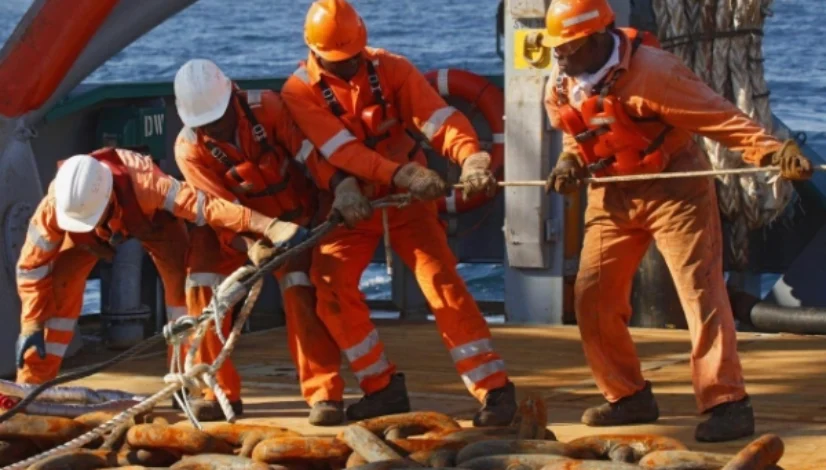
- The Deck Department, which is responsible for various operational activities on the ship’s deck.
- Engine Department, which is responsible for the operation and maintenance of the ship’s engine systems.
- The Hotel Department, which supports passenger services and accommodation needs on cruise ships.
- Food & Beverage Department, which handles food and beverage service.
- Galley/Kitchen Department, which is responsible for the ship’s galley operations.
- The Housekeeping Department, which maintains the cleanliness and comfort of the ship’s facilities.
Each department has different responsibilities and therefore requires employees with the appropriate skills and qualifications.
The Importance of Crew Management in Ship Operations
Professional crew management plays a vital role in ensuring the smooth operation of shipping activities. Here are some of the key roles that crew management plays in supporting ship operations.
1. Ensuring the Availability of Qualified Crew Members
One of the primary responsibilities of Crew Management is to ensure that shipping companies secure the workforce needed to meet their vessels’ operational requirements.
The candidate selection process takes into account work experience, technical abilities, skills, and the specific requirements of the position.
With a qualified crew in place, the company can build a team that is better prepared to carry out their respective responsibilities.
2. Conducting a Professional Recruitment and Selection Process
Recruiting ship crew requires a careful selection process to ensure that candidates possess the competencies required by job standards.
The selection process generally includes document review, verification of work experience, interviews, and assessment of candidates’ skills.
This process helps shipping companies secure prospective crew members who meet their needs and predetermined criteria.
3. Ensuring the Completeness of Certifications and Documents
In the shipping industry, certifications and documents are an important part of the requirements for working on a ship.
Crew Management helps ensure that a candidate’s documents have been reviewed and meet the requirements of the position as well as those of the shipowner.
Some of the certifications that may be part of the review include:
- COC (Certificate of Competency).
- BST (Basic Safety Training).
- AFF (Advanced Fire Fighting).
- SCRB (Survival Craft and Rescue Boats).
- MEFA (Medical First Aid).
Certification reviews must be conducted thoroughly to help ensure that workers’ qualifications meet job requirements.
4. Adjusting the Placement to the Ship’s Needs
Each type of vessel has different operational characteristics and crew requirements. From tankers and cargo ships to offshore vessels and cruise ships, all require crew members with the appropriate skills and experience.
Crew Management facilitates the placement of candidates based on their positions, competencies, and the shipping company’s needs.
Proper placement supports the division of responsibilities and coordination of work on board the vessel.
5. Supporting Operational Efficiency in Shipping Companies
Structured crew management helps shipping companies meet their workforce needs more effectively.
With the support of systematic recruitment and selection processes, companies can reduce the challenges of finding candidates and secure the workforce needed to meet their operational requirements.
This allows companies to focus more on managing shipping operations and business development.
Key Steps in the Crew Management Process
To produce a workforce that meets the needs of the shipping industry, the crew management process must be carried out in several stages.
The following are the stages typically involved in crew management:
- Identification of Workforce Needs
Shipping companies specify their crew requirements based on vessel type, position, number of crew members, and required qualifications.
- Candidate Search and Recruitment
The candidate search process is conducted through recruitment networks, maritime educational institutions, and professional seafarer groups.
- Document and Certification Verification
Each candidate undergoes verification of identification documents, work experience, and certifications relevant to the position applied for.
- Interviews and Competency Assessment
Candidates undergo interviews and assessments to evaluate their skills, experience, and suitability for the company’s needs.
- Candidate Selection and Recommendation
Candidates who meet the qualifications are processed further for recommendation to ship-owning companies.
- Crew Placement
Selected candidates are processed to fulfill placement needs according to their positions and the vessel’s operational requirements.
Types of Ships That Require Crew Management Services
The need for crew management spans various sectors of the maritime industry. Each type of vessel requires a workforce with different skills and experience.
Some categories of vessels that require professional crew staffing services include:
Offshore Vessels
Offshore vessels are used to support offshore industrial activities. These types of vessels include AHTS, AHT, supply boats, crew boats, tugboats, and survey vessels.
Tankers
Tankers are used to transport various types of liquid cargo, including crude oil and gas products. Crew requirements must be tailored to the vessel’s characteristics and operational systems.
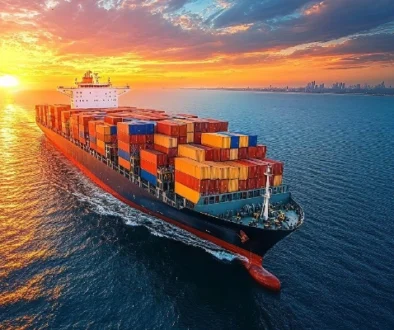
Cargo and Container Ships
Cargo and container ships play a vital role in supporting trade and the distribution of goods between regions and countries.
Cruise Ships
Cruise ships require personnel from various departments, ranging from hotel, food and beverage, kitchen, housekeeping, deck, to the engine department.
Given the scope of these needs, Crew Management services are an essential component in supporting the sustainability of the shipping industry.
Why Do Shipping Companies Need Professional Crew Management Partners?
Choosing the right crew management partner is one of the key steps for shipping companies in meeting their human resource needs.
A professional partner can assist the company in the process of candidate recruitment, document verification, selection, and crew placement according to the company’s needs.
Some factors to consider when choosing a crew management company include:
- Has experience in the field of crew recruitment.
- Understanding the crew requirements for various types of ships.
- Implement a structured recruitment and selection process.
- Verify that the candidate’s documents and certifications are complete.
- Has an adequate recruitment network and human resources.
- Able to provide services tailored to the client company’s needs.
Effective collaboration between shipping companies and crew management service providers can help create more effective and professional workforce management.
PT Angel Pacific Indonesia: A Professional Partner in Crew Supply and Management
PT Angel Pacific Indonesia is a company engaged in the fields of Manning Agency and Crew Management, established in 2019.
We provide recruitment, selection, and placement services for professional seafarers to meet the needs of both domestic and international shipping companies.
Backed by an experienced management team and a network of partnerships with crewing training institutions and Indonesian seafarer groups, we are committed to providing personnel with the competencies and qualifications required by our clients.
Our services include the provision of crew members for various types of vessels, such as offshore vessels, tankers, cargo vessels, container ships, bulk carriers, cruise ships, and other types of vessels.
Through a structured selection process, document verification, and candidate evaluation, PT Angel Pacific Indonesia strives to be a trusted partner in supporting human resource needs within the maritime industry.
Kesimpulan
Crew Management plays a vital role in ensuring the smooth operation of ships through a structured and professional workforce management process. From candidate recruitment, selection, and certification verification to crew placement, each stage contributes to ensuring that a shipping company’s human resource needs are met.
By choosing an experienced Crew Management partner, shipping companies can secure crew members who meet their operational needs.
PT Angel Pacific Indonesia is ready to be your partner in providing and managing professional crew members to support both the domestic and international shipping industries.
Contact PT Angel Pacific Indonesia for more information about our Manning Agency and Crew Management services.
PT ANGEL PACIFIC INDONESIA
Phone / WhatsApp: 085692351099
Email: crewing@angelpacificindonesia.com
Website: angelpacificindonesia.com