Understanding Different Types of Ships in the Shipping Industry
The shipping industry plays a vital role in supporting global trade, international transportation, and offshore operations. Across the world, thousands of vessels operate every day to transport goods, support industrial activities, carry passengers, and facilitate maritime logistics.
Each vessel is designed with specific functions, operational capabilities, and crew requirements. Understanding the different types of ships in the shipping industry is essential for shipping companies, maritime professionals, and individuals interested in pursuing a career at sea.
As a professional manning agency and crew management company, PT Angel Pacific Indonesia recognizes the importance of providing qualified and experienced crew members to support various vessel operations in both domestic and international waters.
1. Offshore Support Vessels
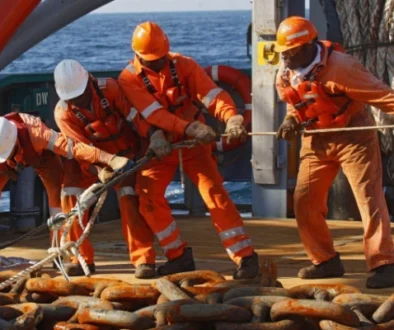
Offshore support vessels are specialized ships designed to assist offshore activities, particularly in the oil and gas industry. These vessels provide transportation, logistical support, equipment handling, and operational assistance for offshore installations.
Some common types of offshore support vessels include:
- AHTS (Anchor Handling Tug Supply): Used for anchor handling, towing, and transporting supplies to offshore installations.
- AHT (Anchor Handling Tug): Primarily designed for anchor handling and towing operations.
- Supply Boat: Transports equipment, materials, provisions, and other essential supplies to offshore platforms.
- Crew Boat: Provides transportation for offshore personnel between shore bases and offshore facilities.
- Tug Boat: Assists in towing and maneuvering vessels, particularly in ports and offshore locations.
- Survey Vessel: Supports hydrographic, geophysical, and other marine survey activities.
Offshore operations require skilled crew members with relevant experience, technical knowledge, and appropriate maritime certifications to ensure safe and efficient vessel operations.
2. Tanker Ships
Tanker ships are designed to transport liquid cargo in large quantities. These vessels play an important role in international energy distribution and the transportation of industrial products.
Common types of tanker vessels include:
- Oil Tanker: Transports crude oil from production facilities to refineries and storage terminals.
- Petroleum Tanker: Carries refined petroleum products such as gasoline, diesel, and other fuel products.
- LPG Carrier: Designed to transport Liquefied Petroleum Gas under controlled conditions.
- LNG Carrier: Specially constructed to transport Liquefied Natural Gas at extremely low temperatures.
Tanker vessels require crew members with specialized knowledge of cargo handling, vessel safety, equipment operation, and emergency procedures.
3. Cargo Ships
Cargo ships are among the most important vessels in global maritime transportation. They are used to transport various types of commercial goods between countries and international ports.
Several common cargo vessel categories include:
- General Cargo Ship: Carries different types of packaged, palletized, and break-bulk cargo.
- Container Ship: Designed to transport standardized shipping containers efficiently.
- Bulk Carrier: Used to transport unpackaged bulk commodities such as coal, grain, iron ore, and other raw materials.
Each cargo vessel requires a coordinated crew responsible for navigation, cargo operations, machinery maintenance, and overall vessel management.
4. Bulk Carriers
Bulk carriers are specialized cargo vessels designed to transport large quantities of unpackaged dry commodities.
These vessels are commonly used in international trade to transport materials such as coal, iron ore, grain, cement, and other industrial raw materials.
Bulk carrier operations require proper cargo management, loading and unloading coordination, and regular maintenance of vessel equipment.
Professional deck and engine crew members play an essential role in maintaining operational efficiency and supporting safe transportation activities.
5. Container Ships
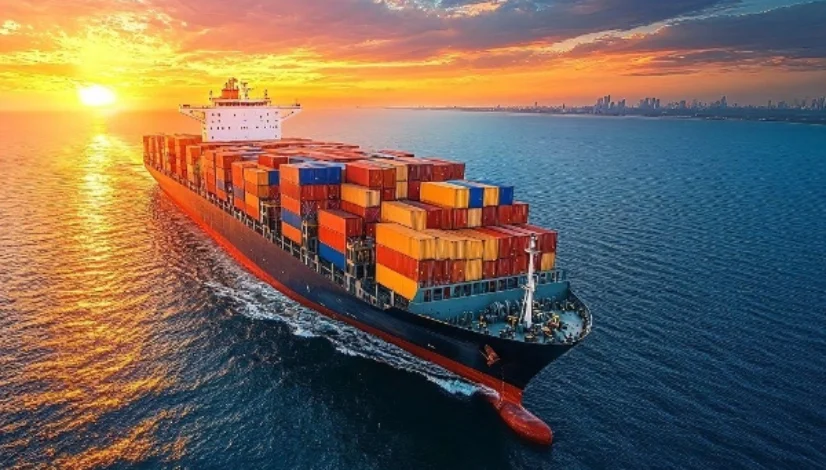
Container ships are designed specifically to transport standardized shipping containers. They are a fundamental part of modern global supply chains because they allow goods to be transported efficiently between international ports.
These vessels carry various products, including consumer goods, electronics, industrial equipment, and manufactured materials.
The operation of container ships requires experienced personnel in navigation, deck operations, engine maintenance, and cargo management.
6. Roll-On/Roll-Off (RORO) Ships
Roll-On/Roll-Off vessels, commonly known as RORO ships, are designed to transport wheeled cargo that can be driven or moved directly onto and off the vessel.
Typical cargo transported by RORO ships includes:
- Passenger vehicles
- Commercial trucks
- Heavy construction equipment
- Agricultural machinery
- Other wheeled transportation equipment
RORO vessels are widely used in international vehicle transportation and specialized cargo logistics.
7. Fishing Vessels
Fishing vessels are ships designed for commercial fishing activities in coastal and offshore waters. They support the global seafood industry and provide transportation for harvested marine products.
Some common fishing vessel categories include:
- Longline Fishing Boats: Use long fishing lines equipped with multiple baited hooks to catch marine species.
- Trawler Fishing Boats: Use specialized fishing nets to collect fish and other marine resources.
These vessels require crew members who understand fishing operations, deck equipment, vessel maintenance, and maritime safety procedures.
8. Cruise Ships
Cruise ships are passenger vessels designed to provide transportation, accommodation, entertainment, and hospitality services for travelers.
Unlike conventional cargo vessels, cruise ships operate with multiple departments dedicated to passenger services and onboard operations.
Common cruise ship crew departments include:
- Hotel Department: Responsible for guest accommodation, reception, and hotel management.
- Food & Beverage Department: Handles restaurant operations, food services, and beverage management.
- Galley / Kitchen Department: Responsible for food preparation, cooking, and kitchen operations.
- Housekeeping Department: Maintains cabin cleanliness, public areas, and laundry services.
- Deck Department: Supports navigation, vessel operations, and deck maintenance.
- Engine Department: Responsible for machinery operation, technical maintenance, and engineering systems.
Cruise ship operations require qualified maritime personnel as well as hospitality professionals who can deliver excellent onboard services.
9. Barges
Barges are flat-bottomed vessels commonly used to transport heavy cargo, construction materials, and industrial equipment through rivers, canals, and coastal waters.
Some barges operate independently with propulsion systems, while others are moved by tugboats.
They are frequently utilized in construction projects, offshore support operations, and industrial transportation due to their ability to carry large and heavy loads.
The Importance of Professional Crew in the Shipping Industry
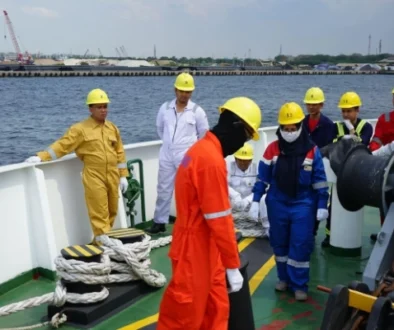
Regardless of vessel type, qualified and experienced crew members are essential to maintaining safe, efficient, and reliable maritime operations.
Each vessel requires personnel with specific skills and responsibilities, including:
- Deck Crew: Responsible for navigation support, deck maintenance, cargo handling, and vessel operations.
- Engine Crew: Handles machinery operation, technical inspections, equipment maintenance, and engine room activities.
- Officers: Supervise vessel operations, navigation, engineering activities, and crew coordination.
- Specialized Personnel: Perform specific operational duties depending on vessel type and industry requirements.
Crew qualifications, professional experience, and relevant maritime certifications are important considerations in the recruitment and placement process.
Choosing the Right Manning Agency for Your Crew Requirements
For shipping companies and vessel owners, finding qualified maritime personnel is an important part of maintaining successful vessel operations.
Working with a professional manning agency can help simplify the recruitment process, identify suitable candidates, and ensure that crew members meet the required qualifications.
A reliable manning agency should have:
- A structured recruitment and selection process.
- Experience in supplying different types of vessel crews.
- Proper verification of crew documents and certifications.
- Access to a network of qualified maritime professionals.
- An understanding of client requirements and vessel operations.
These factors help shipping companies identify suitable personnel for their operational needs.
PT Angel Pacific Indonesia: Your Trusted Partner in Maritime Crew Management
PT Angel Pacific Indonesia is an Indonesian manning agency and crew management company established in 2019. We specialize in recruiting, managing, and supplying professional crews for various domestic and international vessels.
Our crew supply services cover offshore support vessels, tanker ships, cargo vessels, bulk carriers, container ships, RORO vessels, fishing boats, cruise ships, and barges.
Supported by an experienced management team, a dedicated crewing division, and a recruitment network, we implement a structured selection process that includes document verification, background checks, interviews, and competency assessments.
We are committed to providing qualified and experienced maritime personnel who meet the requirements of shipowners and shipping companies.
Whether your company requires offshore crews, commercial vessel personnel, or cruise line professionals, PT Angel Pacific Indonesia is ready to support your maritime manpower requirements.
Conclusion
Understanding the different types of ships in the shipping industry provides valuable insight into the complexity of global maritime operations. From offshore support vessels and tankers to cargo ships, fishing vessels, and cruise ships, every vessel serves a specific purpose and requires qualified personnel.
Professional crew recruitment and management remain essential to supporting safe and efficient shipping operations.
PT Angel Pacific Indonesia is committed to connecting shipping companies with qualified maritime professionals to support the growth of the domestic and international shipping industry.
Contact PT Angel Pacific Indonesia today to discuss your maritime crew recruitment and management requirements.