Career Opportunities as a Seafarer in the International Shipping Industry
The international shipping industry plays a vital role in supporting global trade, connecting countries, and transporting goods across continents. Behind these operations are skilled maritime professionals known as seafarers, who ensure that vessels operate efficiently and safely.
Working as a seafarer offers various career opportunities for individuals interested in the maritime industry. From deck officers and engine crew to hospitality professionals on cruise ships, the industry provides a wide range of positions with different responsibilities and career development opportunities.
As international shipping continues to support global economic activities, the demand for qualified and experienced maritime personnel remains an important part of vessel operations.
For individuals who want to pursue a career at sea, understanding the available positions, qualifications, and recruitment processes is an essential first step.
1. Understanding the Seafarer Profession
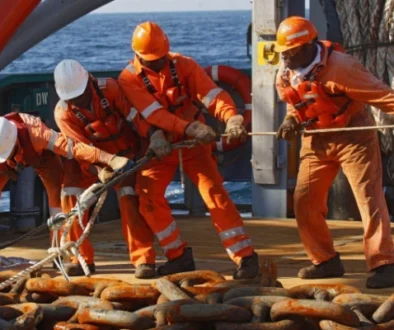
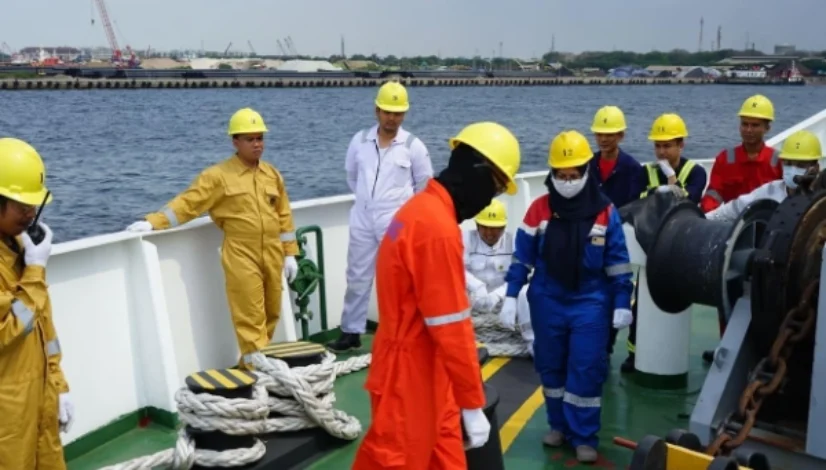
A seafarer is a professional who works aboard a vessel and is responsible for supporting its daily operations. Depending on the vessel type and department, seafarers may handle navigation, engine maintenance, cargo operations, safety procedures, or hospitality services.
Seafarers work on various types of vessels, including:
- Cargo Ships
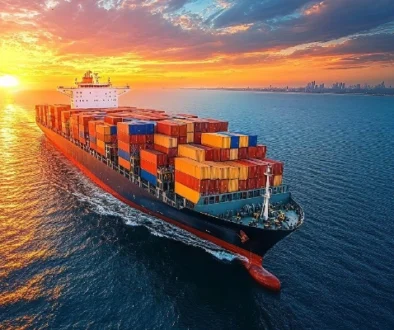
- Container Ships
- Bulk Carriers
- Oil and Petroleum Tankers
- LPG and LNG Carriers
- Offshore Supply Vessels
- Tug Boats
- Cruise Ships
- Fishing Vessels
- Ro-Ro Vessels
Each vessel requires qualified personnel with specific knowledge and skills to support its operational requirements.
2. Different Career Opportunities in the Shipping Industry
One of the advantages of working in the maritime sector is the variety of career paths available. Seafarers can develop their careers in different departments depending on their education, qualifications, experience, and professional interests.
A. Deck Department
The Deck Department is responsible for navigation support, vessel operations, cargo handling, and maintaining safety on deck.
Some common positions include:
- Captain: Responsible for overall vessel operations, navigation, safety, and crew management.
- Chief Officer: Assists the captain and supervises deck operations and cargo activities.
- Second Officer: Supports navigation planning and maintains navigational records.
- Third Officer: Assists with navigation and safety equipment management.
- Boatswain: Supervises deck ratings and daily maintenance activities.
- Able Seafarer / Able Body (AB): Performs deck operations and maintenance duties.
- Ordinary Seaman (OS): Supports general deck activities under supervision.
B. Engine Department
The Engine Department is responsible for maintaining and operating the vessel’s propulsion systems, machinery, and technical equipment.
Career opportunities include:
- Chief Engineer: Oversees the entire engine department and machinery operations.
- Second Engineer: Assists the chief engineer in managing engine room activities.
- Third Engineer: Handles assigned machinery and maintenance responsibilities.
- Fourth Engineer: Supports machinery operations and technical maintenance.
- Fitter: Performs mechanical repair and fabrication work.
- Welder: Handles welding and metal fabrication tasks.
- Electrician: Maintains electrical systems and equipment.
- Oiler: Assists with machinery lubrication and engine room operations.
- Wiper: Supports engine room cleanliness and maintenance activities.
C. Cruise Ship Department
Cruise ships offer additional career opportunities, particularly for professionals with backgrounds in hospitality, tourism, food services, and customer relations.
Available positions include:
Hotel Department
- Hotel Manager
- Chief Purser
- Deputy Purser
- Assistant Purser
- Front Desk Receptionist
Food and Beverage Department
- Restaurant Manager
- Head Waiter / Waitress
- Dining Room Waiter
- Bartender
- Bar Steward
- Sommelier
Galley / Kitchen Department
- Executive Chef
- Sous Chef
- First Cook
- Second Cook
- Pastry Chef
- Baker
- Storekeeper
Housekeeping Department
- Chief Housekeeper
- Floor Supervisor
- Cabin Steward / Stewardess
- Room Service Attendant
- Laundry Supervisor
These positions provide opportunities for hospitality professionals to develop international work experience within the cruise industry.
3. Qualifications Required to Become an International Seafarer
Working in the international shipping industry requires more than an interest in maritime activities. Candidates must meet specific qualifications and professional standards depending on the position and vessel requirements.
Some important qualifications include:
A. Maritime Education and Training
Candidates are generally expected to have relevant maritime education or professional training according to the position they are applying for. Maritime institutions provide essential knowledge about navigation, ship operations, engineering, and safety procedures.
B. Professional Certificates
Seafarers may be required to hold relevant maritime certificates, such as:
- Certificate of Competency (COC)
- Basic Safety Training (BST)
- Advanced Fire Fighting (AFF)
- Survival Craft and Rescue Boats (SCRB)
- Medical First Aid (MEFA)
- Other certificates required for specific vessel operations.
The required certificates depend on the position, vessel type, and applicable maritime regulations.
C. Medical Fitness
Seafarers are generally required to meet applicable medical fitness standards to ensure they can perform their duties safely and effectively while working at sea.
D. Work Experience
Previous experience aboard vessels can be an important advantage, particularly for officer-level positions and specialized maritime operations.
E. Communication Skills
English communication skills are valuable in international shipping because seafarers often work with multinational crews and communicate with international shipping companies.
4. Essential Skills for a Successful Maritime Career
Building a successful career as a seafarer requires a combination of technical abilities and personal qualities.
Here are some essential skills that maritime professionals should develop:
- Technical Skills: Understanding vessel operations, machinery, navigation systems, and equipment maintenance.
- Communication Skills: Communicating effectively with fellow crew members, supervisors, and international teams.
- Teamwork: Working collaboratively with people from different professional and cultural backgrounds.
- Problem-Solving: Handling operational challenges and making appropriate decisions within assigned responsibilities.
- Discipline: Following operational procedures, safety requirements, and professional standards.
- Adaptability: Adjusting to different working environments, vessel types, and operational conditions.
These skills help seafarers perform their responsibilities effectively and support the overall success of vessel operations.
5. Benefits of Working in the International Shipping Industry
A career in the international maritime industry offers various professional and personal development opportunities.
Some potential benefits include:
A. International Work Experience
Seafarers may have opportunities to work with multinational crews and gain valuable experience in international maritime operations.
B. Professional Development
Working aboard different types of vessels allows maritime professionals to improve their technical knowledge, operational abilities, and professional competencies.
C. Career Advancement
The shipping industry provides different career paths across deck, engine, offshore, and cruise ship departments. With appropriate qualifications and experience, seafarers may pursue higher-level positions.
D. Exposure to Different Cultures
International shipping environments bring together people from different countries and cultural backgrounds, creating opportunities to develop cross-cultural communication and teamwork skills.
E. Diverse Employment Opportunities
From commercial vessels and offshore operations to international cruise ships, maritime professionals can explore different employment opportunities based on their qualifications and experience.
6. Challenges of Working as an International Seafarer
Although the maritime industry offers attractive career opportunities, working at sea also comes with challenges that candidates should understand before entering the profession.
Some common challenges include:
- Extended Periods Away from Home: Seafarers may spend considerable periods aboard vessels depending on their employment contracts and vessel schedules.
- ** demanding Working Environments:** Shipboard work requires discipline, responsibility, and the ability to adapt to operational conditions.
- Safety Responsibilities: Seafarers must understand and follow established safety procedures to support safe vessel operations.
- Multicultural Workplaces: Working with international crews requires mutual respect, communication, and cooperation.
- Physical and Mental Adaptability: Life aboard a vessel requires individuals to adjust to structured routines and limited personal space.
Understanding these challenges helps prospective seafarers prepare for the responsibilities and expectations of maritime employment.
7. How to Start a Career in the International Shipping Industry
For individuals interested in becoming professional seafarers, preparing the right qualifications and understanding recruitment procedures are important steps.
Here are several steps to consider:
Step 1: Choose Your Maritime Career Path
Determine which department or vessel type matches your educational background, professional interests, and abilities.
Step 2: Obtain Relevant Education and Training
Enroll in an appropriate maritime education or training institution to develop the necessary technical knowledge and professional competencies.
Step 3: Complete Required Certifications
Prepare the certificates and qualifications required for your intended position and vessel type.
Step 4: Prepare Your Professional Documents
Organize your CV, identification documents, maritime certificates, medical documents, and relevant employment records.
Step 5: Find Reliable Recruitment Opportunities
Explore recruitment opportunities through established manning agencies and maritime recruitment companies that connect qualified candidates with shipping companies.
Step 6: Participate in the Selection Process
Candidates may be required to complete document verification, interviews, competency assessments, and other selection procedures according to employer requirements.
Step 7: Continue Developing Your Skills
Keep improving your professional knowledge, communication abilities, and technical competencies to support long-term career development.
8. The Role of Manning Agencies in Seafarer Recruitment
Manning agencies play an important role in connecting qualified maritime professionals with shipping companies that require skilled crew members.
These companies support the recruitment and placement process by identifying suitable candidates, verifying professional documents, assessing qualifications, and coordinating candidate selection according to client requirements.
For shipping companies, working with a professional manning agency can help simplify crew recruitment and ensure that candidate selection is aligned with operational requirements.
For prospective seafarers, manning agencies can provide information about available recruitment opportunities and the qualifications required for specific positions.
A structured recruitment process also helps shipping companies identify candidates whose professional backgrounds and competencies match the requirements of their vessels.
9. Why Choose a Professional Manning Agency?
Selecting a reliable manning agency is an important consideration for shipping companies seeking qualified maritime personnel.
A professional agency should have a structured recruitment process, an established candidate network, and an understanding of different vessel operations.
Important factors to consider include:
- Industry Experience: Understanding maritime recruitment requirements and different vessel categories.
- Candidate Qualifications: Ensuring that candidates meet the required professional standards.
- Document Verification: Checking the validity and completeness of relevant certificates and documents.
- Recruitment Network: Having access to qualified candidates across different maritime departments.
- Professional Communication: Maintaining clear coordination between candidates, clients, and recruitment teams.
These factors contribute to a more organized recruitment process and help establish long-term partnerships within the maritime industry.
10. PT Angel Pacific Indonesia: Your Partner in Maritime Crew Solutions
PT Angel Pacific Indonesia is an Indonesian manning agency and crew management company established in 2019. We specialize in recruiting, managing, and supplying professional crew members for domestic and international vessels.
Our services cover various maritime sectors, including offshore vessels, tanker vessels, cargo ships, container ships, bulk carriers, cruise ships, and other specialized vessels.
We provide crew recruitment and manpower supply solutions for different departments, including:
- Deck Department
- Engine Department
- Offshore Crew
- Cruise Ship Hotel Staff
- Food and Beverage Staff
- Galley and Kitchen Staff
- Housekeeping Staff
Supported by an experienced management team and a recruitment network involving crewing educational institutions and Indonesian seafarer groups, we implement a structured candidate selection process.
Our recruitment procedures include document verification, background checks, interviews, and candidate assessments to ensure suitability according to client requirements.
With a commitment to professionalism and service quality, PT Angel Pacific Indonesia aims to support shipping companies in meeting their maritime workforce requirements while contributing to the development of qualified Indonesian seafarers.
Conclusion
The international shipping industry offers diverse career opportunities for individuals who want to develop their professional future in the maritime sector. From deck and engine departments to offshore operations and cruise ship services, there are various career paths available for qualified and dedicated professionals.
Building a successful maritime career requires proper education, relevant certifications, practical experience, and a commitment to continuous professional development.
Understanding recruitment procedures and working with a reliable manning agency can also help candidates and shipping companies connect more effectively.
PT Angel Pacific Indonesia is committed to providing professional maritime crew recruitment and management solutions to support domestic and international shipping operations.
Whether you are a shipping company looking for qualified crew members or a maritime professional exploring career opportunities, we are ready to be your trusted partner.
Contact PT Angel Pacific Indonesia for more information about our Manning Agency services and the provision of professional crew members.
Website: angelpacificindonesia.com
Email: crewing@angelpacificindonesia.com
Phone/WhatsApp: 085692351099